Blog
The Role of Reptiles in Ancient Cultures and Folklore
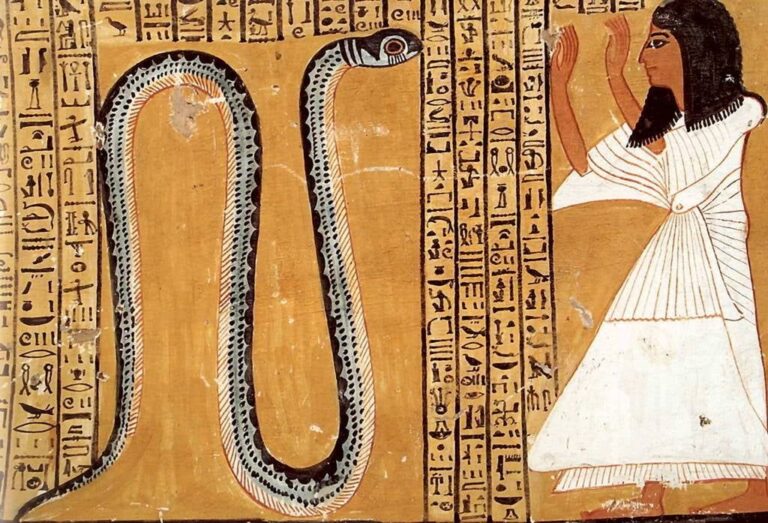
How snakes, lizards, and dragons have shaped beliefs around the world
Reptiles have slithered, stalked, and sunbathed their way into the stories of nearly every culture on Earth. From ancient mythology to folk legends, these cold-blooded creatures have been feared, revered, worshipped, and misunderstood for thousands of years.
But why? What is it about reptiles that makes them so powerful in our collective imagination?
Let’s take a tour around the world—and through time—to explore how humans have seen and symbolized our scaly friends.
🐍 Snakes: Symbols of Life, Death, and Rebirth
Few animals are as mythically charged as snakes. Across cultures, they’ve represented both danger and healing, destruction and transformation.
Ancient Egypt: The cobra symbolized protection and divine authority. Pharaohs often wore the image of a rearing cobra—called the uraeus—on their crowns.
Greece: The Rod of Asclepius, still used today as a medical symbol, features a snake winding around a staff, representing healing and renewal.
Hinduism: The god Vishnu is often shown resting on a giant serpent. Snakes (nagas) are revered and protected in many parts of India.
Mesoamerica: The Aztecs worshipped Quetzalcoatl, the feathered serpent god of wind, learning, and creation.
Snakes shed their skin, which may be why they became symbols of transformation and eternal life in so many traditions.
🦎 Lizards: Messengers, Guardians, and Tricksters
Lizards are often seen as elusive and mysterious, which may explain their place in spiritual stories across the globe.
Polynesian Cultures: Geckos and other lizards were seen as protectors or ancestral spirits (aumakua), appearing as signs from the spirit world.
Aboriginal Australian Lore: The goanna (a type of monitor lizard) appears in creation stories and dreamtime tales. Some tribes believe the goanna taught humans how to survive.
Zulu and Tswana Mythology (South Africa): In some origin stories, a lizard was tasked with delivering the message of eternal life—but failed, which is why humans are mortal.
Their ability to regenerate lost tails may have inspired stories about survival, magic, and trickery.
🐉 Dragons: The Ultimate Blend of Reptilian Power
While technically mythical, dragons are often inspired by real reptiles—especially snakes, monitor lizards, and crocodiles.
China: Dragons symbolize wisdom, rain, power, and good fortune. They are deeply tied to emperors and spiritual energy.
Europe: Dragons were often villains in Christian stories, symbolizing chaos or evil. Think knights and castles.
Mesoamerica: As mentioned earlier, the feathered serpent deity was both god and dragon—blurring myth with reptile reality.
Even today, komodo dragons and bearded dragons carry the name of these mythical beasts, tying the real world to ancient legend.
🌍 Why This Matters Today
Understanding how cultures view reptiles helps us challenge harmful myths and encourage respect instead of fear. While reptiles were once seen as messengers of gods or symbols of balance, today they’re often misunderstood as dangerous or disposable pets.
At Scale and Tell, we believe reptiles still have stories to tell. They remind us of nature’s diversity, complexity, and mystery—and they deserve our curiosity and care.
🦎 Keep Exploring
Want more scaly stories, facts, and conservation tips? Subscribe to our weekly newsletter or check out our Instagram for real-life reptiles with real personalities.
Sources:
- Snakes in Mythology
Ancient Egypt (Uraeus/Cobra Symbol):
https://www.worldhistory.org/Uraeus/Rod of Asclepius (Greek Medicine):
https://www.ncbi.nlm.nih.gov/pmc/articles/PMC3619327/Hindu Nagas and Vishnu:
https://www.britannica.com/topic/naga-Hindu-mythologyQuetzalcoatl in Mesoamerica:
https://www.worldhistory.org/Quetzalcoatl/
Lizards in Cultural Lore
Polynesian Aumakua (Guardian Spirits):
https://www.britannica.com/topic/aumakuaGoanna in Aboriginal Mythology:
https://australian.museum/learn/first-nations/goanna-totem/Zulu/Tswana Lizard Origin Story (Mortality Myth):
https://mythology.net/african/zulu-mythology/
Dragons and Reptilian Myth
Chinese Dragon Symbolism:
https://www.britannica.com/topic/Chinese-dragonEuropean Dragons (Christian Lore):
https://www.britannica.com/topic/dragon-mythological-creatureQuetzalcoatl (Feathered Serpent/Dragon):
https://www.britannica.com/topic/Quetzalcoatl
Cultural Significance and Symbolism
Why Animals Appear in Folklore:
https://www.nationalgeographic.com/culture/article/why-animals-in-myths-folktalesSymbolism of Reptiles in Spirituality:
https://www.uniguide.com/reptile-symbolism-meaning-spirit-animal-guideSnake/Reptile Misconceptions in Modern Culture:
https://www.nationalgeographic.com/animals/article/snakes-fear-pop-culture-myths