Blog
HOW REPTILES HELP THE PLANET
Why Snakes, Lizards, and Their Scaly Friends Deserve More Credit
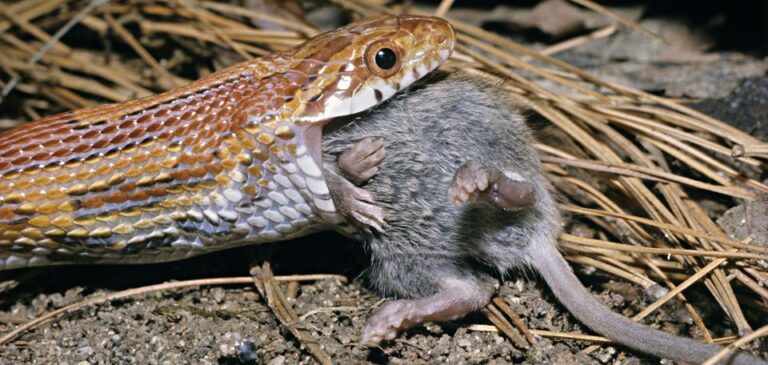
When you think of environmental superheroes, reptiles probably aren’t the first creatures that come to mind. But snakes, lizards, geckos, iguanas, and their scaly relatives play vital roles in keeping ecosystems healthy, balanced, and biodiverse.
Despite their sometimes scary reputation, reptiles are quiet contributors to the natural world—and without them, things would get messy fast.
Here’s how reptiles help the planet every day:
🐍 1. Natural Pest Control
Many reptiles, especially snakes and lizards, feed on pests that can cause serious problems for humans and crops. Snakes keep rodent populations in check, helping reduce damage to farms and prevent the spread of diseases like hantavirus and leptospirosis. Lizards often feed on insects like crickets, cockroaches, and beetles, naturally controlling infestations without the need for harmful pesticides.
In fact, the Center for Invasive Species and Ecosystem Health highlights the critical role of native predators—including reptiles—in maintaining pest balance.
🔗 Read more from the University of Georgia
🐢 2. Ecosystem Engineers
Reptiles don’t just exist within their habitats—they help shape them. Burrowing reptiles, like some lizards and tortoises, dig and turn the soil, improving aeration and water absorption. This allows plants to take root more easily and supports other animals that may later use those burrows for shelter.
Species like the gopher tortoise are even considered keystone species, meaning their presence supports dozens of other species in the same habitat.
🔗 Learn more from the U.S. Fish & Wildlife Service
🌱 3. Supporting the Food Web
Reptiles are both predators and prey—which makes them a vital link in the food chain. They keep smaller animal populations in check, while also serving as food for birds of prey, mammals, larger reptiles, and even some amphibians.
Disrupting reptile populations can have a ripple effect, throwing the entire food web off balance. Removing even one species—like a local snake or native lizard—can cause pest booms, bird starvation, or increased competition among other predators.
🔍 4. Indicators of Environmental Health
Because reptiles are ectothermic (cold-blooded) and highly sensitive to changes in temperature, water quality, and habitat disruption, scientists often use them as bioindicators. If reptiles begin to disappear from a region, it’s often one of the first warning signs of a larger environmental problem.
Their presence—or absence—can tell researchers a lot about climate shifts, pollution, and ecosystem damage. That’s why protecting reptile species helps scientists monitor and respond to environmental change more quickly.
🔗 Reptile declines and conservation trends – ScienceDirect
💚 5. Promoting Biodiversity
Reptiles are part of the biodiversity puzzle, and every piece matters. Biodiversity ensures that ecosystems are resilient, able to adapt to change, and rich in life. Whether it’s a tiny gecko cleaning up your garden or a python keeping your barn mouse-free, each reptile contributes to a healthier world.
Unfortunately, over 21% of reptile species are now threatened with extinction, according to the IUCN Red List.
🔗 Explore global reptile conservation data
🦎 What You Can Do
Even small actions help protect reptiles and their habitats:
Avoid using pesticides in outdoor spaces
Keep wild areas undisturbed when hiking or gardening
Support reptile rescues and educational programs
Share accurate information about reptiles to reduce fear and misunderstanding
Want to go a step further? Organizations like the Turtle Survival Alliance, Amphibian and Reptile Conservancy, and your local wildlife department all offer ways to get involved.
🔗 Turtle Survival Alliance
🔗 Amphibian and Reptile Conservancy
📬 Keep Learning
Reptiles aren’t just survivors—they’re silent protectors of balance and biodiversity. By learning more and sharing what you know, you’re helping these cold-blooded creatures get the warm support they deserve.
📰 Want more reptile facts like this every week? Subscribe to our newsletter and stay in the loop on education, rescue stories, and conservation tips.